
What Is Paper Trading and Why It Matters
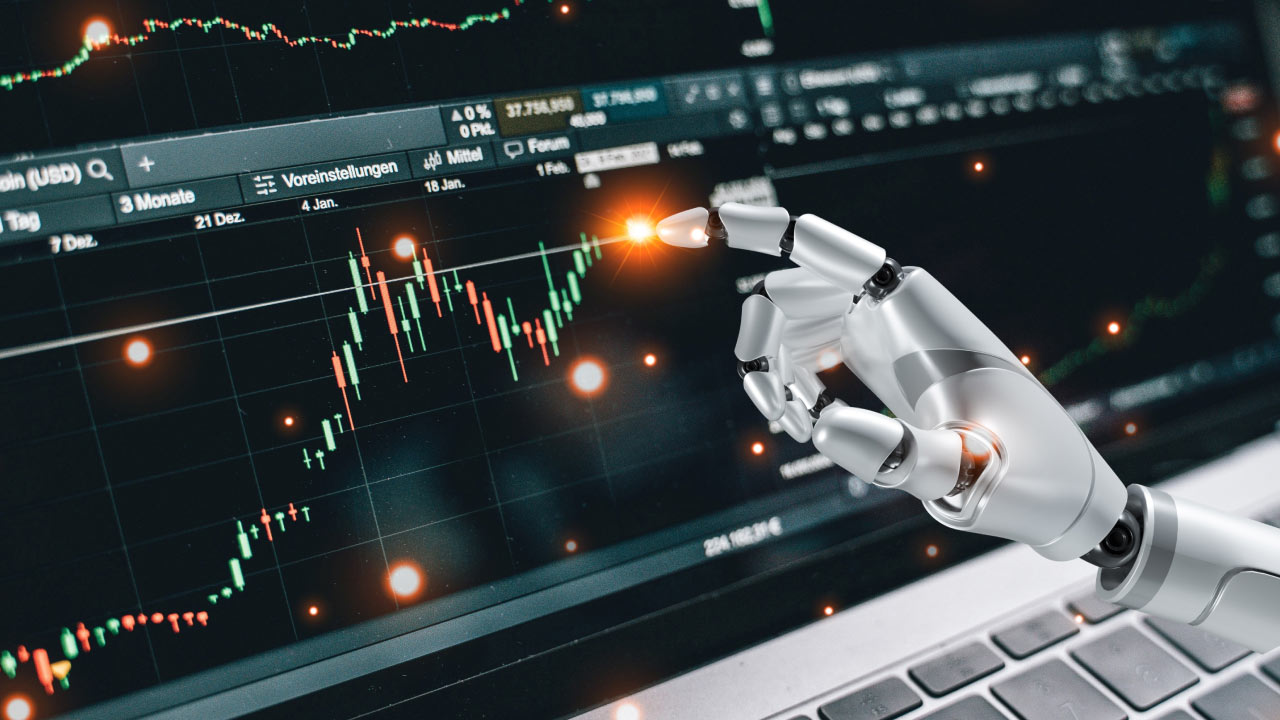
A lot of novices in the futures market want to feel the real market actions while being free from financial risks and that is where the use of paper trading becomes very important. What is paper trading? Paper trading refers to a virtual trading platform that imitates the actual market circumstances and enables traders to place non-real buy and sell orders with no money involved. It gives the traders the opportunity to know and experience the movement of the market, the execution of the orders, and the performance of their strategies all in real time. The main benefit of paper trading is that it takes away the emotional stress of trading. The traders enjoy a no-risk environment in which they can test their ideas, make mistakes and at the same time hone their decision-making abilities. This aspect is very important for traders who want to enter the Nasdaq futures market, as it is very volatile and the prices change very fast. After practicing in a no-risk environment, the traders win the confidence and discipline that directly result in an upsurge of their profits once they move to the live capital.
Using paper trading will, also, bring about the comprehension of the market structure by the traders. From patterns in charts to shifts in trends to spikes in volatility, the environment of simulation will expose all the manners of the Nasdaq futures without the fear of losing money. While trying different setups, timeframes, and entry points, the traders will be able to identify the strategies that work and the ones that should not be used. This practical way of acquiring skills is much more efficient than just reading guides or watching tutorials. Eventually, paper traders will be very much aware of the market flow, price reactions, and timing, which are very important in the success of futures trading.
Understanding Nasdaq Futures Trading Hours
In order to be successful in trading Nasdaq futures, one should be acquainted with Nasdaq futures trading hours just as one should be acquainted with the strategy. Nasdaq futures are traded nearly the full day and night, that is, from Sunday night to Friday night. Still not every hour has the same tendency of market movement. Some hours witness high volatility and trading activity while others are more subdued and controlled. Traders who do not know these differences often get into the market at the wrong time, and this results in unexpected price swings, poor liquidity, or missed opportunities. Therefore, a solid grasp of trading hours gives a trader a very strong position.
The biggest price fluctuations usually happen when the financial markets overlap, but particularly when the U.S. stock market is open. The period sees the influx of banks, institutions, hedge funds, and retail traders which results in a higher price movement. Nasdaq futures, however, are not the same outside the peak hours. During the Asian or early European sessions, the price movement might either be slow, consolidating, or reacting to global events rather than U.S. economic news. Paper trading offers you the chance to see these differences develop live and without the stress of money involved, thus helping you to acquire a sense of how Nasdaq futures act around the clock. By monitoring the slow periods, busy periods, and news-driven spikes, you will become fully aware of the exact times that your strategies are most effective.
How Paper Trading Helps You Master Timing
The success or loss of a Nasdaq futures trade can be decided by the timing. The volatility of these futures can be such that they can go up or down several points in a matter of seconds, thus the trader has to learn the entry and exit points as well as the reaction to sudden momentum shifts. Through the medium of paper trading, it is possible to practice these timing decisions over and over again. Traders without the risk of losing money can try fast entries during the active U.S. sessions, test scalping during the volatile periods, or see how swing setups work during the quieter times. They will also be able to see how their stop-loss and take-profit orders act in different volatility conditions. Taking part in these scenarios will hone the trader's instincts, making it easier for him to trade live in the future without a learning curve.
Paper trading is also a tool that works well for traders when it comes to the emotional aspect of timing. The fear of making mistakes is so prevalent among novice traders that they hesitate to take a position or they go out too early. But when they are in a simulated environment, that fear is totally gone. The traders behave more logically and test different strategies which they would normally fear to try. This experience is indeed very useful because it reveals to the traders how powerful a strategy can be when applied without emotion. The moment they spot the consistency in the simulated results, they get the confidence to put up the same fight in real markets.
Combining Strategy with Nasdaq Futures Trading Hours
A futures trader who is successful will always use up a good strategy with perfect timing. If they practice during real-time Nasdaq future trading hours, they would be able to set up their experiment at varying times of the day and check the performance of the trading. What worked during the high U.S. opening session might not work in the quiet Asian session. The differences are very clearly separated by paper trading. Rather than thinking the same strategy works in every market, traders will be able to pair the best strategies with suitable market conditions. This process of refining not only helps them trade but also do it intelligently and efficiently once trading is live.
Handling of news events is another aspect that traders learn about in the course of their dealings in Nasdaq futures. The releases of economic indicators like CPI, NFP, interest rate decisions, and tech sector announcements can lead to large price movements. Paper traders, therefore, can just watch the events that cause volatility without any fear and at the same time, practice managing the spikes. They may choose to enter breakout trades, fade setups, or work with momentum strategies and through the process, they will realize which one, in fact, is the best fit for their trading style. Moreover, doing such practices at different times within the Nasdaq futures trading hours makes them get a lot of experience that ultimately makes them more adaptable in real trading environments.
From Practice to Profit: Building Confidence for Live Trading
The transition from simulated trading to actual profit happens when skills, timing, and discipline come together. Paper trading builds confidence by allowing traders to prove their strategies before putting real money on the line. It helps them identify strengths, fix weaknesses, and recognize patterns within the Nasdaq futures market. When traders finally move to real accounts, they do so with confidence, knowing they have already tested their methods under real market conditions.
This confidence is crucial because trading is deeply psychological. Fear, greed, impatience, and hesitation can ruin a good setup. But traders who have trained extensively through paper trading and understand the flow of Nasdaq futures trading hours are far better prepared. They take trades based on logic, not emotion. They know when to trade, when to step away, and how to react under pressure. With practice and experience, this combination leads to consistent results and the shift from paper profits to real financial success.


Leave a Reply